Stage 1 — Launch Platform
Digital gateway with business directories, incubator services & collaboration tools
Phase 2 — Establishment & Implementation
Launching home-based enterprises and regional production units
Phase 3 — The Incubator
Nurturing startups with mentoring, acceleration & shared infrastructure
Phase 4 — Business Expansion
Scaling to SMEs with R&D, automation & market relocation
Section 5 — Smart E-Commerce Hub
Integrated digital commerce ecosystem for global market access
Section 6 — 21st Century Silk Road
Modern digital trade corridor connecting producers to the world
Section 7 — Foreign Investment & Tech Transfer
Attracting global capital and advanced technology expertise
Phase 8 — Investment Fund & Public Participation
Mobilizing community capital for medium & large-scale projects
Stage 1 — Seed to Harvest Launch Platform
The Seed to Harvest digital platform serves as the primary gateway for entrepreneurs. It integrates business directories, incubator services, financial tools, and collaboration systems to guide participants from initial idea development to the early stages of enterprise formation.
Business Directory
The platform homepage presents a curated list of business opportunities aligned with the geographic resources and economic potential of each region. Businesses are categorized into Industrial, Agricultural, Commercial, and Mining clusters.
User Registration
Individuals can register on the platform and create a personal profile that tracks their entrepreneurial journey, training progress, and project development activities.
Digital Wallet
Each registered user receives a secure digital wallet that supports deposits via bank transfers and cryptocurrency systems, enabling easy payments for services and investment participation.
Incubator Services Marketplace
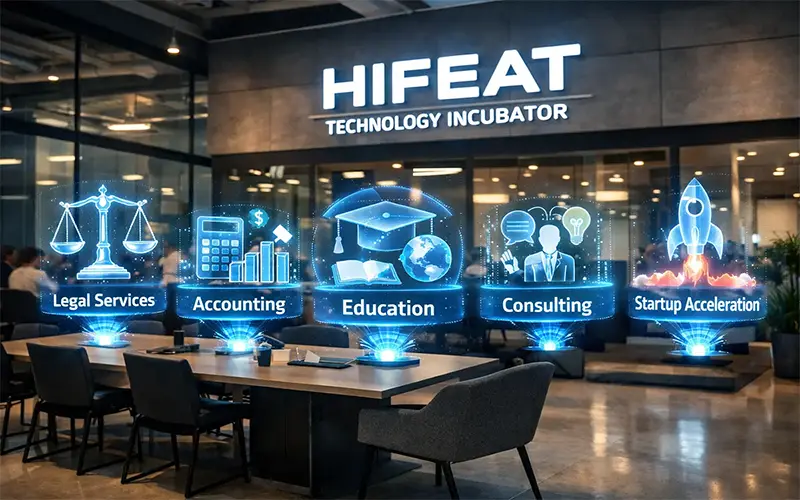
The incubator team can publish service packages including education, accounting, legal consulting, marketing solutions, and software or web development services that users can purchase directly.
Collaborative Startup Requests
Users may select a business model and submit requests for collaborative startup formation, enabling partnerships and co-founder matching within the platform ecosystem.
Professional Service Requests
Through their profiles, users can request specialized training, legal or accounting assistance, marketing campaigns, and participation in professional exhibitions.
Progress Monitoring
Entrepreneurs upload progress updates, milestones, and operational reports, which are continuously monitored and evaluated by the incubator engineering and advisory team.
Acceleration & Support
Through consulting, mentoring, and acceleration systems, entrepreneurs receive continuous guidance until their business successfully reaches the workshop and production stage.
Platform Ecosystem Structure
Phase 2 — Establishment & Implementation
The second phase focuses on the establishment and deployment of small-scale production and service units. The main goal is launching startups and home-based enterprises while also supporting workshops and medium-scale businesses.
Home-Based Business Launch
Families and individuals with low-to-moderate income can establish small ventures either inside their homes or within small commercial spaces, allowing them to begin their entrepreneurial journey with minimal capital.
Regional Business Plans
The platform provides region-specific business plans based on local resources, market demand, and economic potential, helping users choose the most suitable opportunity for their environment.
Technical & Financial Consulting
Participants can request full consultancy services including technical guidance, financial planning, cost estimation, and operational strategy before launching their enterprise.
Incubator Establishment Agreement
Once ready, entrepreneurs sign a formal establishment agreement with the incubator through the platform, enabling them to receive structured support and fast-track guidance.
Equipment & Operational Setup
A specialized technical team assists entrepreneurs in selecting equipment, designing production workflows, and establishing the operational structure of their business units.
Legal & Contract Support
The legal department facilitates all contracts and agreements required for the establishment of the business, ensuring regulatory compliance and secure partnerships.
Phase 3 — The Incubator – Nurturing & Business Growth
Startups, much like living organisms, are exposed to hundreds of risks that can lead to failure or operational halts. Therefore, a robust mechanism is required to provide comprehensive technical, financial, and legal oversight.
Acceleration Services
Within the Acceleration Center, specialized mentoring teams provide extensive support across the following domains:
- Market Analysis: Competitor research and market positioning.
- Go-To-Market (GTM) Strategy: Defining the path to the first customers.
- Product Development: Transforming ideas into viable products.
- Pricing & Revenue Strategy: Optimizing profit margins and monetization.
- Startup Financial Management: Budgeting and cash flow oversight.
- Legal & Corporate Governance: Business laws and regulatory compliance.
- Intellectual Property (IP): Patenting and trademark protection.
Mentoring & Strategic Support
- Business Model Pivot/Refinement: Adjusting the core strategy for growth.
- Strategic Consulting: Long-term planning and decision-making support.
- Networking: Connecting founders with industry leaders and partners.
- Operational Troubleshooting: Solving day-to-day execution challenges.
Technical & Product Engineering
- Product Engineering: Technical design and manufacturing support.
- Market Testing: Validating products with real-world users.
- Product Optimization: Enhancing quality and performance.
- E-commerce Development: Building online sales platforms and websites.
- Regional & International Scaling: Expanding the product’s reach to global markets.
Marketing & Branding Services
The accelerator helps startups to:
- Develop a professional Brand Identity.
- Execute Digital Marketing strategies.
- Launch high-impact Advertising Campaigns.
- Build Public Relations (PR) and media presence.
Workspace & Infrastructure
The Incubator provides a shared working environment to minimize fixed costs, offering:
- Coworking Spaces: Flexible office environments.
- High-Speed Connectivity: Reliable internet and digital infrastructure.
- Meeting Rooms: Professional spaces for negotiations.
- Specialized Shared Labs/Workshops: Access to technical tools and machinery.
- Administrative & Legal Support: Back-office services to keep the focus on growth.
Phase 4 — Business Expansion – Scaling from Small to Medium Enterprise (SME)
The fourth phase of the Seed to Harvest project focuses on transitioning businesses from small-scale startups to medium-scale enterprises. This stage, typically reached after 1 to 2 years, occurs once the business has integrated all necessary training, support, and acceleration services, secured its target market, and achieved consistent product quality.
Market Expansion & Strategic Relocation
By identifying new market opportunities and analyzing customer feedback, our Acceleration Center’s Expansion Group provides executive consultancy to business managers. At this stage:
- Businesses are transitioned into dedicated Commercial and Industrial Zones.
- Enterprises gain the capacity to establish their own autonomous Legal, Financial, and Accounting departments.
Research & Development (R&D)
Under the guidance of our consultant engineers, businesses will launch their own R&D Centers. The objective is two-fold:
- Product Optimization: Enhancing current offerings based on market data.
- Innovation: Developing next-generation, high-quality products to maintain a competitive edge.
Robotics & Advanced Automation
As business operations expand and production demands increase, the Robotics and Automation Division steps in. We focus on Production Line Engineering to:
- Standardize manufacturing processes for global quality compliance.
- Automate repetitive tasks by integrating Robotics Modules and Smart Gadgets.
- Maximize Operational Efficiency: Transitioning to 24/7 continuous production in high-tech environments.
Growth Trajectory: From Startup to SME
Section 5 — Establishment of the Smart E-Commerce Hub
With the expansion of production capacity and the increasing diversity of products developed through this project, access to broader markets and the ability to distribute products in international markets becomes a strategic necessity. However, a major challenge faced by small and medium-sized enterprises (SMEs) is the lack of sufficient infrastructure, specialized personnel, capital resources, and technical knowledge required to effectively leverage modern e-commerce technologies and global digital markets.
To address this gap, the Seed to Harvest Project establishes a Smart E-Commerce Hub — an integrated ecosystem that makes e-commerce technologies affordable, accessible, and practical, enabling SMEs to participate in international digital markets with significantly lower barriers to entry.
Key Strategic Functions
- Localization of e-commerce knowledge and technologies for regional businesses
- Organization of training programs, workshops, and professional courses
- Support for digital marketing strategies and advertising practices
- Training in website management and digital platform operations
- Enabling utilization of modern international trade tools
- Integration of Artificial Intelligence into marketing, customer engagement, and market analysis
Smart E-Commerce Hub Ecosystem Growth & Impact
Specialized Operational Units
1. E-Commerce Academy
- Online store development training
- Digital marketing education
- International online sales training
- Brand management education
- Digital entrepreneurship programs
2. E-Commerce Development Center
- Online store design and development
- UI/UX design services
- Mobile application development
- Payment gateway integration
3. Digital Marketing Center
- Search engine advertising
- Social media marketing
- Campaign management
- SEO and SEM services
- Influencer marketing strategies
4. Digital Content Production Studio
- Video production
- Graphic design services
- Social media content creation
- Digital catalog design
5. Product Photography Laboratory
- Professional product photography
- 360-degree product imaging
- Professional lighting setups
- Product introduction videos
6. Branding & Identity Center
- Logo design
- Packaging design
- Visual brand identity development
- Brand strategy consulting
7. Data Analytics & Business Intelligence Center
- Customer behavior analysis
- Sales performance analysis
- Executive dashboards
- Market demand forecasting
8. AI Commerce Lab
- AI-based product recommendation systems
- Sales chatbots
- Intelligent data analytics
- Marketing automation solutions
9. Startup Accelerator
- Mentorship programs
- Investment readiness programs
- Startup development support
- Investor networking
10. Legal Services Center for Digital Commerce
- Company registration services
- Trademark registration
- Commercial contract advisory
- E-commerce regulatory compliance
11. Financial & Investment Services Center
- Financial consulting
- Investment attraction services
- Capital management advisory
- Connections with venture capital and investment funds
12. Digital Export Center
- International online sales strategies
- Access to global marketplaces
- Export regulations advisory
- International payment solutions
13. Logistics & Fulfillment Center
- Warehousing services
- Order management systems
- Packaging operations
- Integration with shipping and logistics providers
14. Packaging and Product Preparation Center
- Professional packaging solutions
- Packaging design services
- Export packaging standards
15. Supply Chain Management Center
- Product sourcing management
- Inventory management
- Coordination with manufacturers and suppliers
16. Customer Experience Center
- Call center operations
- Online customer support
- Complaint management systems
- After-sales service management
17. Media & Advertising Hub
- Media program production
- Television and digital advertising campaigns
- Integrated media campaign management
18. Digital & Physical Product Showroom
- Product exhibition spaces
- Brand showcases
- Technology demonstrations
19. Events & Conferences Center
- E-commerce exhibitions
- Professional seminars
- Business workshops and networking events
20. Co-Working Space
- Shared office facilities
- Meeting rooms
- Collaborative workspace for startups and entrepreneurs
21. E-Commerce Research Center
- Market research studies
- Global trend analysis
- Development of new digital business models
22. E-Learning Production Center
- Online course production
- Educational video development
- E-learning platform design
23. Seller Community Center
- Management of seller networks
- Training programs for merchants
- Commercial networking opportunities
24. Emerging Commerce Technology Laboratory
- AR/VR technologies for online shopping
- Virtual store development
- Metaverse-based marketing solutions
25. Platform Operations & Digital Infrastructure Center
- Server infrastructure management
- Cybersecurity systems
- Data management and analytics
- Digital marketplace platform operations

Section 6 — Strategic Program of Seed to Harvest: The 21st Century Silk Road Digital Trade Platform
As the Seed to Harvest Strategic Program advances through its foundational phases—establishing entrepreneurial units, supporting small and medium production workshops, and strengthening local business capacities—it naturally leads to a dramatic increase in production volume and product diversity.
At this mature stage, a critical challenge emerges: ensuring that the growing volume of high-quality products from thousands of SMEs can successfully reach large-scale regional and international markets. Small and medium-sized producers often face significant barriers in global market access:
- Limited access to international distribution channels
- Lack of robust digital commerce infrastructure
- Insufficient marketing expertise and global branding capabilities
- Constrained resources for international advertising
- Challenges in logistics coordination for cross-border delivery
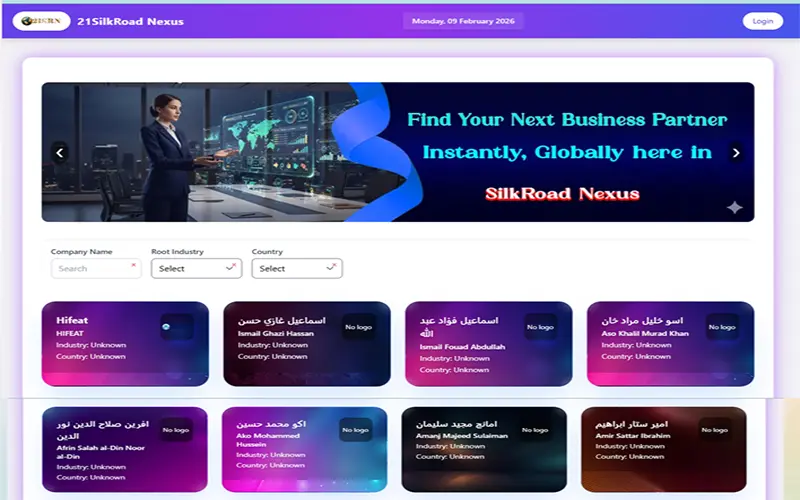
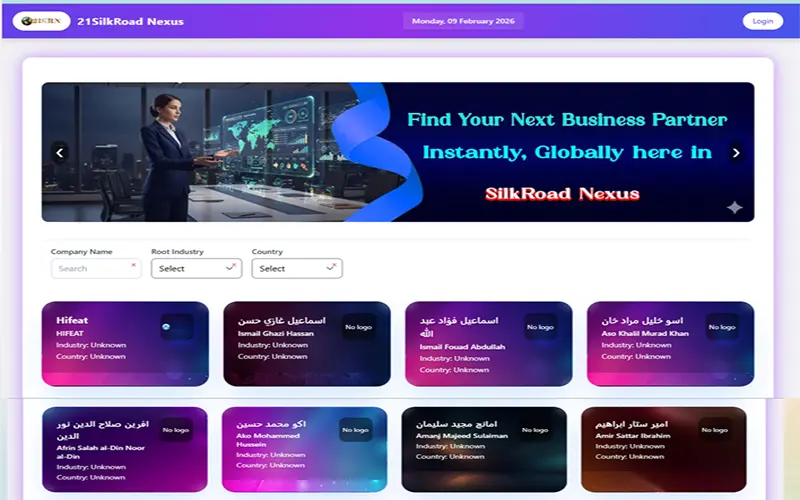
To overcome these barriers and unlock full economic potential, the Seed to Harvest Program introduces its sixth strategic component: the 21st Century Silk Road Digital Commerce Ecosystem — a modern digital trade corridor inspired by the historical Silk Road, connecting producers, entrepreneurs, suppliers, and global consumers through advanced technologies.
Global Network Growth: From Local Production to International Trade
Core Components of the 21st Century Silk Road Platform
1. Digital Marketplace Infrastructure
Multi-vendor global online marketplace enabling independent online stores, product listing, multi-language support, and AI-powered recommendations.
2. Electronic Warehouse System
Centralized digital warehouses for manufacturers with inventory management, wholesale pricing, and real-time synchronization across the network.
3. Distributed Store Network
Zero-inventory store creation — entrepreneurs select products from warehouses, set retail prices, and sell globally with minimal capital.
4. Dropshipping & Affiliate Commerce System
Seamless workflow: warehouse → store → customer → profit sharing, scaling distribution through thousands of independent sellers.
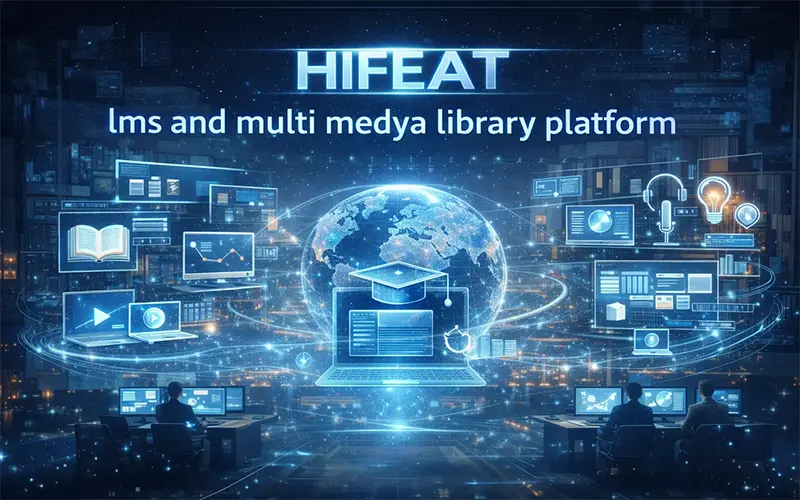
5. Advanced LMS & Digital Education System
Comprehensive training in e-commerce, digital marketing, international trade, AI tools, and entrepreneurship to build long-term capability.
6. Digital Marketing & Advertising Hub
Professional services including SEO, social media, influencer campaigns, email automation, and full campaign management.
7. Content Creation & Media Production Center
High-quality product photography, promotional videos, graphic design, and social media content for superior brand presentation.
8. Logistics & Delivery Network
Integrated order processing, shipment tracking, and partnerships with global logistics providers for reliable cross-border delivery.
9. Packaging & Export Preparation Center
Export-standard packaging, labeling, documentation, and design to meet international trade compliance requirements.
10. Customer Support & Service Center
Centralized complaint management, returns, after-sales support, and dispute resolution to build marketplace trust.
11–16. Additional Infrastructure Layers
- Online Warranty & Guarantee System
- Digital Wallet & Multi-Payment Financial Infrastructure
- Digital Media & Knowledge Hub (podcasts, libraries, news)
- Social Commerce Features (reviews, sharing, feeds)
- AI-Based Customer Service Agents
- Multi-Language Global Platform Support


Strategic Impact: The 21st Century Silk Road Platform empowers individuals to launch online businesses with minimal investment, enables manufacturers to reach global audiences through distributed networks, integrates professional marketing/training/logistics/finance, and drives sustainable economic growth, job creation, and international connectivity for regional economies.
Section 7 — Foreign Investment Attraction & Technology Transfer Initiative
One of the key strategic pillars of the Seed to Harvest Program is the systematic attraction of foreign investment, industrial partnerships, and international technological expertise. As the program expands its network of workshops, production units, and digital commerce infrastructure, connecting local economic capacity with global capital and advanced industrial knowledge becomes essential.
The Foreign Investment Attraction & Technology Transfer Initiative encourages international investors, companies, and tech-driven enterprises to participate in regional economic development through two core goals:
- Attracting foreign capital for local investment projects
- Encouraging international firms to establish operations locally while transferring technology and expertise
Strategic Impact Pyramid: From Capital Inflow to Localized Innovation
Key Components & Process Chain
Digital Investment Platform
Central gateway for global investors: account creation, opportunity exploration, digital registration, partnership initiation, and regulatory guidance.
Investor Onboarding System
- Digital registration & identity verification
- Company profile creation
- Investment interest selection
- Direct communication tools
Investment Opportunity Marketplace
Curated portfolio across sectors: manufacturing, tech startups, digital commerce, logistics, agriculture, renewable energy — with financial projections, ROI estimates, and partnership models.
Foreign Company Relocation Program
Attracting manufacturing, tech, logistics, service, and digital firms to establish regional operations for expertise and standards transfer.
Technology Transfer & Knowledge Localization
- Training local engineers & specialists
- Sharing production methodologies
- Joint R&D programs
- Collaboration with local research institutions
Administrative & Legal Facilitation
Company registration, licensing, contracts, compliance — with optional power of attorney support.
Regulatory Information Center
Transparent access to investment laws, taxation, customs, labor, and trade regulations.
Investment Incentive Programs
Tax exemptions, duty waivers, land allocation, fast-track registration, infrastructure support.
Partnership & Joint Venture Facilitation
Business matching, networking tools, risk-sharing models between local and international parties.
Investment Promotion & Global Outreach
Conferences, digital campaigns, chambers of commerce partnerships, diaspora engagement, global forums.
Investment & Technology Transfer Chain: From Attraction to Long-Term Impact
Long-Term Impact: This initiative bridges local potential with global networks, transforming the region into a dynamic hub for production, innovation, and trade — while embedding advanced technologies and knowledge deeply into the local economy for sustainable growth.

Phase 8 — Strategic Investment Fund & Public Participation Model
The eighth phase establishes a structured participatory investment ecosystem to finance medium- and large-scale projects emerging from the incubator pipeline. It mobilizes public capital and community participation in productive activities, moving away from traditional debt-based financing.
This model reduces inflationary pressure, channels idle capital into productive sectors, creates inclusive wealth generation, and enables broad social participation in national economic development.
Capital Mobilization
Redirects household savings and idle liquidity into high-impact productive investments.
Risk Distribution
Spreads financial risk across thousands of participants instead of concentrating it in banks.
Inflation Control
Avoids excessive credit creation and monetary expansion pressures on the economy.
Inclusive Wealth Distribution
Allows citizens to directly participate in development projects and share in profits.
Investment Structure Ladder: From Public Base to Large-Scale Impact
Citizen Investors • Community Capital
Medium-Scale Sector Clusters
IPO • Public Offerings • Infrastructure Bonds
Cluster-Based Investment Funds Example (Agricultural Processing)
| Project | Required Capital | Weight in Fund |
|---|---|---|
| Food Processing Unit | $2M | 25% |
| Cold Storage Network | $3M | 37.5% |
| Packaging Facility | $1.5M | 18.75% |
| Distribution Center | $1.5M | 18.75% |
| Total Cluster Fund | $8M | 100% |
Sustainable Cycle: Innovation → Production → Investment → Shared Prosperity
Strategic Outcome: By integrating entrepreneurship, incubation, and public investment, Seed to Harvest evolves into a complete, inclusive economic development framework that drives innovation, job creation, financial inclusion, and shared long-term prosperity across society.
Phase 9 — Cultural Integration & Awareness
The success of any socio-economic initiative depends largely on public acceptance and community engagement. The Seed to Harvest project is a comprehensive development blueprint that requires broad societal understanding; therefore, institutionalizing its values demands a well-structured cultural roadmap.
This large-scale educational and promotional campaign aims to reshape the economic narrative—from passive consumerism toward a culture that celebrates production, entrepreneurship, and value creation.
۱. Elevate Productive Work
Promote respect for careers in manufacturing, agriculture, technology, and service industries as honorable and essential paths.
۲. Encourage Entrepreneurship
Present entrepreneurship as a realistic, accessible, and inspiring path for youth, families, and communities.
۳. Promote Small Business Growth
Highlight the vital role of home-based and small enterprises in building resilient local economies.
۴. Mobilize Public Investment
Encourage citizens to actively invest in local enterprises through community funds and shared ownership models.
۵. Foster Innovation Culture
Encourage creativity, experimentation, and technological development as national aspirations.
Master Slogan
Create Value, Build the Future
From Seed to Harvest — every idea planted today becomes tomorrow's shared prosperity.
Campaign Phases
Social Media & Challenges
#SeedToHarvestChallenge • Success stories • Short videos
TV & Documentaries
Reality shows • Entrepreneurial journeys • Inspirational series
Radio & Podcasts
Educational modules • Interviews • Motivational stories
LMS & Training
Vocational courses • Mentorship • Skill-sharing ecosystem
Community & Religious Leaders
Alliances with elders, mosques, cultural centers
Awards & Events
National Innovation Festival • Entrepreneurship Week • Awards
Long-Term Cultural Impact Indicators
Conclusion: The Seed to Harvest Cultural Campaign transforms economic development into a shared societal mission — inspiring every individual to plant seeds of ideas, nurture them through entrepreneurship, and harvest prosperity for themselves and their communities.